Managing Blocks of Flats in Autumn/Winter
While seasonal changes can bring a welcome shift in atmosphere, they also introduce a range of risks for landlords and…
While seasonal changes can bring a welcome shift in atmosphere, they also introduce a range of risks for landlords and building managers—many of which can lead to liability issues if not properly addressed. Owners and managers of properties are expected to uphold safety standards and act to reduce the risk of accidents or injuries.
Autumn and winter present more than just the familiar risks of slips and trips. Increased online shopping during festive periods can lead to package theft, while decorative lighting and heating equipment may heighten fire hazards. Understanding and preparing for these seasonal challenges through proactive risk management is essential to safeguarding both property and people.
Understanding Seasonal Risks
From autumn leaves to winter snowfall, it’s essential to consider seasonal risks, including the following:

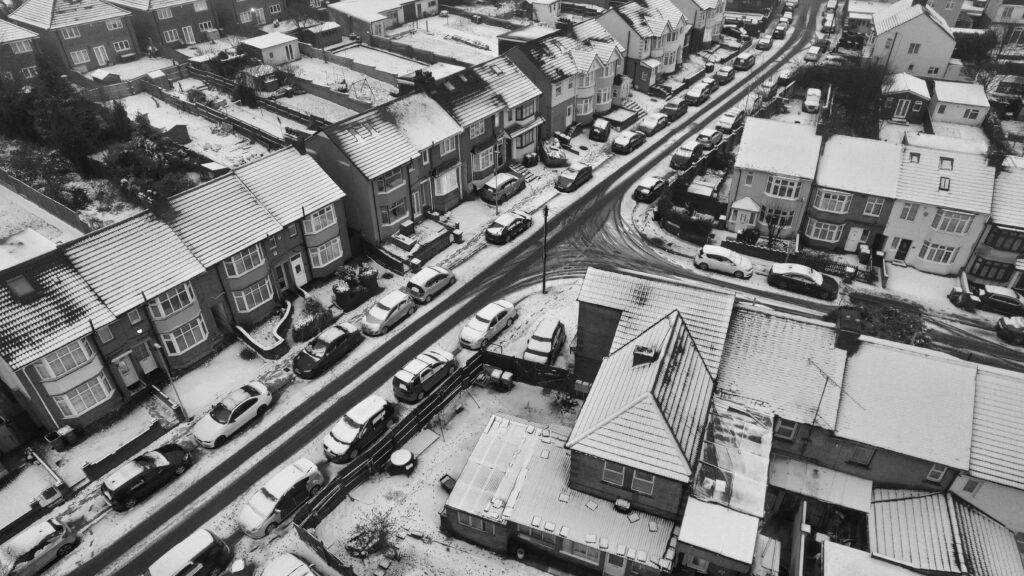
Leaves, Snow and Ice Risks
- Slips, trips, falls or serious injury from ice/icicles
- Blocked passageways, cars, car parks, building entrances and exits from excess snow or ice
- Damaged pipes and gutters from snow or leaves
- Injury from working at height to clear roof and gutters of excess leaves or snow
- Exterior damage from tree branches or the roof itself collapsing under the weight of snow
Extreme Cold Risks
- Frozen or burst pipes
- Temporarily halted water supply
- Tenant and visitor illnesses due to poor indoor heating system or insulation
- Heating system failure or breakdowns
If you think that autumn and winter only carry the usual slips and trips risks, think again. Prepare for the following seasonal risks.
Communal Area Risks
- Fire hazards from candles or kitchens in lounges
- Fire and electricity hazards from festive lights or decor, inside (the lobby) and outside (the garden)
- Package and post theft, which generally increases during the festive season
- Increased third-party liability due to tenants’ festive season guests
- Blocked entrances and exits from festive decor, winter accessories (such as snow boots or umbrellas) or excess rubbish
- Damaged floors in communal areas from tenants tracking in dirt, snow and salt
Implementing Proper Risk Management
Keeping these seasonal risks in mind, it is important to use risk management techniques to counter potential hazards and decrease the chance for liability issues.
Leaves, Snow and Ice Risk Management
- Routinely clear outdoor communal areas, such as car parks and entryways, of ice and snow by ploughing and gritting. Always be sure you are properly stocked with salt and grit materials.
- Have a detailed map of areas that tend to accumulate large amounts of snow or leaves, such as the roof, and schedule routine removal.
- Update and maintain snow and leaf removal vehicles and equipment.
- Offer proper personal protection equipment to maintenance employees working in snowy or icy conditions, especially at height.
- Inspect pipes regularly. Perform routine checks to ensure they are working properly when snow and ice occur, and install insulation on exposed pipes.
- Keep outdoor surfaces level, paved and clear of potholes to reduce water and ice accumulation.
Extreme Cold Risk Management
- Turn off water flow to outside taps to prevent freezing. Make sure the gutters stay clear to prevent ice build-up.
- Ensure all tenants know where their stopcocks are located and that they know what to do in the event of a leak or frozen pipe.
- Update and maintain building insulation and properly seal windows. Make sure the indoor temperature stays comfortable and safe (approximately 21C) during cold months.
- Schedule routine checks for your heating systems.
Communal Areas Risk Management
- Establish a written agreement with tenants regarding safe practices for festive lights, candle use and decorations in communal areas. In addition, do not permit festive lights or candles to be lit for extended periods, especially when unsupervised.
- Routinely check electrical fittings, such as the sockets and fuse board, to decrease the chance of electricity hazards from festive light use.
- Enforce rules that prohibit decorations from blocking entry and exit areas during celebrations.
- Establish a written agreement with tenants regarding celebrations, guests and behaviour in communal areas.
- Make sure tenants, staff and visitors are aware of emergency evacuation plans in the event of a fire.
- Ensure outdoor communal areas have adequate lighting to compensate for less daylight and that lightbulbs are all in working order.
- Routinely clear communal areas of excess leaves, snow and rubbish.
- Verify that your block’s doors, windows and letterboxes are secure. Make sure that all outdoor access points are controlled to prevent unauthorised public access and post theft.
- Complete a health and safety risk assessment that considers seasonal risks and risks specific to communal areas. Include a fire risk assessment.
For additional guidance on property management and preparing for autumn and winter, contact Philip Gibbs Insurance Brokers today.
Search blog
Categories
Featured Blog Posts
How Moving Premises Can Affect Your Business Insurance

The Causes and Consequences of Underinsurance